
As a cat owner, your feline friend’s health is your top priority. One condition that often goes unnoticed until it’s advanced is diabetes mellitus. Understanding the signs of diabetes in cats can help you catch the disease early, ensuring your pet receives prompt treatment and maintains a good quality of life. In this article, we’ll explore the key symptoms of diabetes in cats, what to look for, and how to manage the condition effectively.
What is Diabetes in Cats?
Diabetes in cats is a metabolic disorder that occurs when the body cannot produce enough insulin or cannot use insulin effectively. Insulin is crucial for regulating blood sugar levels, and when this process is disrupted, it can lead to serious health issues.
Common Signs of Diabetes in Cats
1. Increased Thirst and Urination
One of the first signs of diabetes in cats is excessive thirst, known as polydipsia. If you notice your cat drinking more water than usual, it could be a red flag. This increased thirst often leads to increased urination (polyuria), where you may find your cat using the litter box more frequently or having accidents outside of it.
2. Increased Appetite
Despite having a good appetite, diabetic cats often lose weight. This paradox occurs because their bodies can’t effectively use the food they consume. If your cat seems to be begging for food or eating more than usual without gaining weight, it’s time to consult your veterinarian.
3. Weight Loss
Unexplained weight loss is another significant sign of diabetes in cats. Even if your cat is eating well, they may lose weight due to the body’s inability to utilize glucose for energy. Regular weight checks can help you monitor any sudden changes.
4. Lethargy
If your cat appears more tired than usual or is less active, it could indicate diabetes. Lethargy can stem from high blood sugar levels, making your cat feel sluggish. Observe their energy levels and daily activity; any noticeable decrease should be addressed.
5. Poor Coat Condition
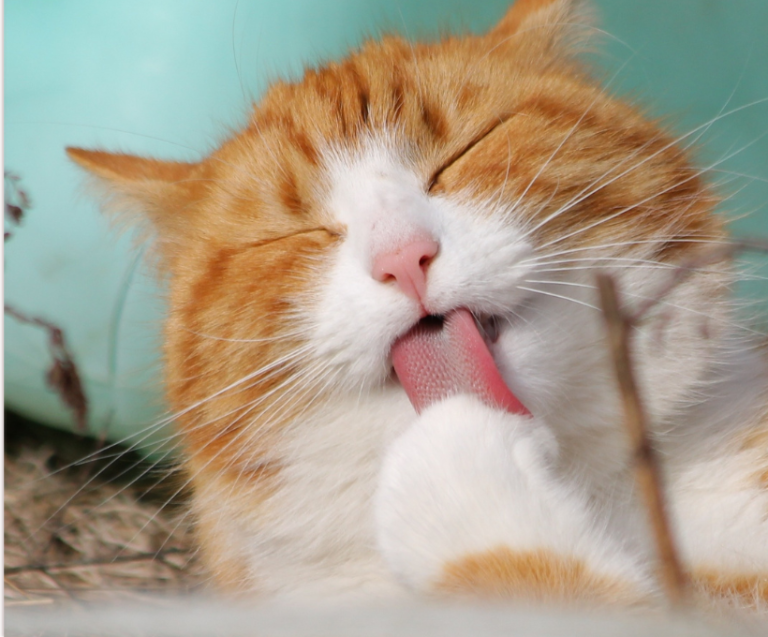
Diabetes can lead to poor grooming habits in cats. If your cat’s coat looks dull, matted, or unkempt, it may be a sign of underlying health issues, including diabetes. A healthy cat usually has a shiny and clean coat.
6. Frequent Infections
Cats with diabetes are more susceptible to infections, particularly urinary tract infections. If your cat experiences recurrent infections or seems to have trouble urinating, it’s essential to seek veterinary advice.
7. Changes in Behavior
Behavioral changes can also signal diabetes. If your cat becomes more irritable, withdrawn, or shows signs of confusion, it may be time to consult a veterinarian. These changes can be linked to fluctuations in blood sugar levels.
8. Sweet-Smelling Breath
In some cases, a cat with diabetes may develop a sweet or fruity odor on their breath. This symptom occurs when the body begins to break down fat instead of glucose for energy, leading to the production of ketones. If you notice this change, seek immediate veterinary care.
Managing Diabetes in Cats
If your cat is diagnosed with diabetes, don’t panic. Many cats can live happy, healthy lives with proper management. Treatment typically involves:
- Insulin Therapy: Most diabetic cats require insulin injections to help regulate their blood sugar levels.
- Dietary Changes: Feeding a high-protein, low-carbohydrate diet can help manage diabetes effectively. Consult your vet for specific recommendations.
- Regular Monitoring: Regular vet visits and blood glucose monitoring are crucial for managing your cat’s condition.
Conclusion
Recognizing the signs of diabetes in cats is essential for early intervention and management. By being vigilant and proactive, you can help your feline friend maintain a healthy and fulfilling life. If you notice any of the symptoms mentioned above, consult your veterinarian as soon as possible.